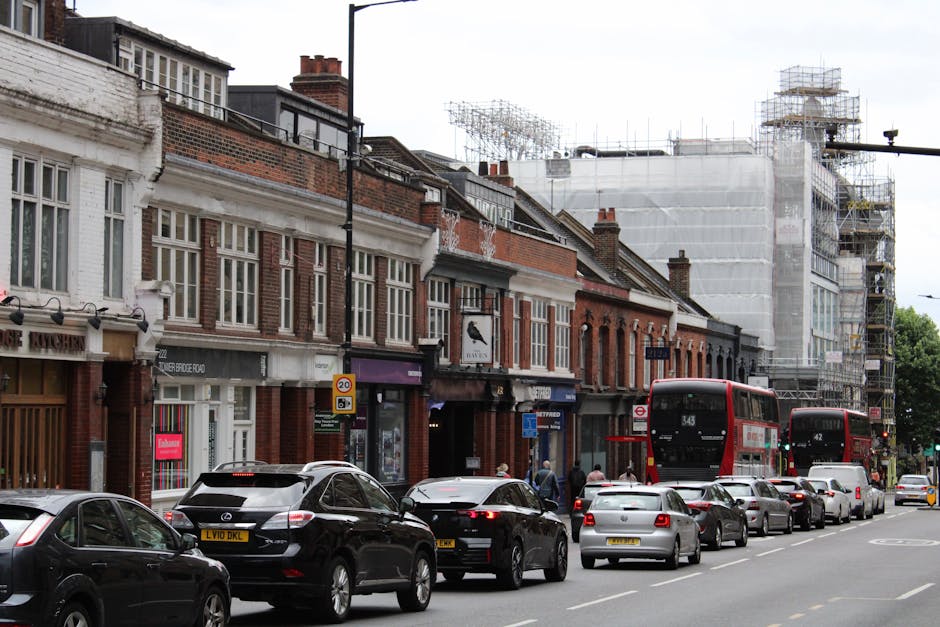
Roadside loading permits on Hatch End High Street explained
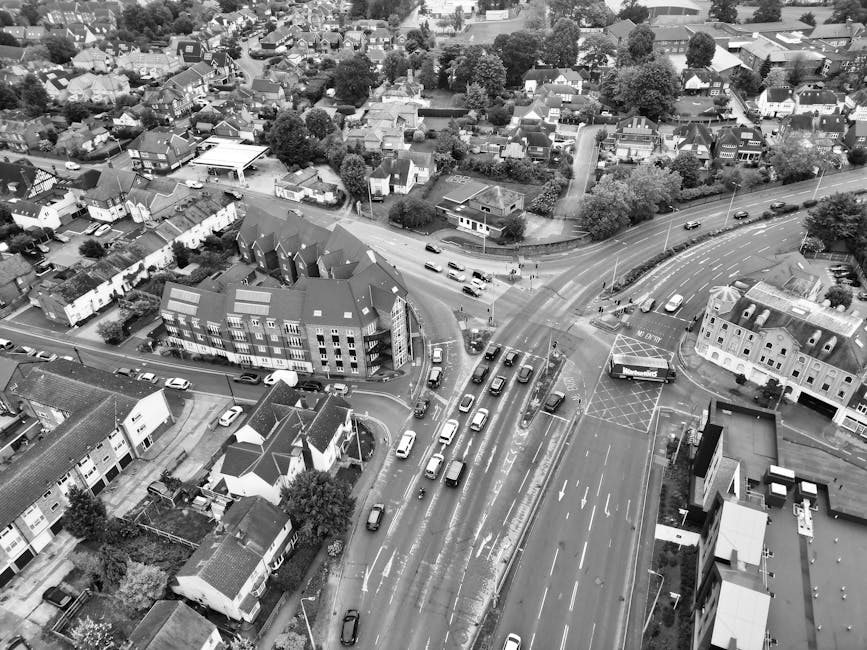
If you are planning a move, a delivery, or even a one-off heavy item drop-off, the phrase Roadside loading permits on Hatch End High Street explained can save you a lot of stress. On a street like Hatch End High Street, where space can be tight and traffic can be less forgiving than people expect, a few minutes of poor planning can turn into a very long morning. A van parked badly, a blocked kerb, a hurried lift in the drizzle - and suddenly the whole job feels harder than it should.
This guide breaks down what roadside loading permits are, why they matter, how they typically work in practice, and what you should think about before you book a van or start moving boxes. If you are also trying to keep the move calm, organised, and not wildly expensive, you may find it useful alongside these stress-free moving tips and narrow-street removal advice for Hatch End.
Why Roadside loading permits on Hatch End High Street explained Matters
Loading and unloading sounds simple until you try doing it on a busy local high street. In reality, the biggest issue is not the lift itself; it is the space. Hatch End High Street can present awkward stopping points, passing traffic, limited waiting areas, and the usual pressure of trying to get a vehicle close enough to the property without causing disruption.
That is why roadside loading permissions matter. They help define where a van may stop, for how long, and under what conditions. For residents, landlords, tenants, small businesses, and removal crews, that clarity can prevent delays, complaints, or a last-minute scramble to reposition the vehicle five times. Nobody wants that. Especially when a sofa is halfway out of a front door.
There is also a safety angle. The closer a vehicle can legally park to the loading point, the less time people spend carrying awkward items across the road or along the pavement. That matters when moving large furniture, white goods, or anything fragile. If you are dealing with heavier pieces, it is worth revisiting the fundamentals of kinetic lifting and, for bulkier household goods, furniture removals in Hatch End may be the safer route.
Key takeaway: a loading permit is not just paperwork. It is often the difference between a controlled, safe loading stop and a messy, stressful workaround.
How Roadside loading permits on Hatch End High Street explained Works
At a practical level, a roadside loading permit is an authorisation that lets a vehicle stop in a restricted or managed location for loading or unloading. The exact rules depend on the local authority and the specific restrictions on the street, so it is always wise to check the current arrangement before moving day. In other words, do not assume that a quick stop outside the property will automatically be fine.
Usually, the process looks something like this:
- Identify the property and loading point.
- Check whether the vehicle can legally stop there without a permit.
- Confirm the time window and any parking or waiting restrictions.
- Apply for permission if required.
- Use the permit exactly as approved, keeping to the time and vehicle conditions.
In many removal situations, the permit is arranged in advance so the van can load efficiently. This is especially helpful for properties with limited frontage, shared access, or awkward kerb space. If you are handling a flat move or a student move, the problem often appears smaller than it really is. Then the wardrobes arrive, and suddenly you see the issue. You may want to compare this with the advice in small-flat space-saving tips and student removals in Hatch End.
One thing people overlook is that loading permissions are not always about staying parked for ages. Sometimes the goal is simply to give the van a short, legitimate stopping point near the entrance. Five or ten minutes in the right place can be more valuable than half an hour in the wrong place. Bit of a boring truth, but there it is.
Key Benefits and Practical Advantages
Getting the loading side right can make a move feel almost boringly smooth, which is exactly what you want.
- Shorter carrying distance: less time walking heavy items up and down the pavement.
- Better safety: fewer awkward lifts and lower chance of bumps, scuffs, or trips.
- Less disruption: a cleaner, tidier loading operation reduces tension with neighbours and other road users.
- More predictable timing: if your van can stop where it should, the whole schedule becomes easier to manage.
- Lower damage risk: the fewer times an item is handled, the less chance of a scrape or dropped corner.
There is also a commercial side. If you are a landlord arranging a tenant handover, an office manager moving equipment, or a homeowner trying to meet estate-agent timings, a permit can protect the schedule. That means less waiting around, fewer ad hoc solutions, and fewer "we'll just carry it a bit further" decisions that always feel a lot easier before you start.
For anyone balancing packing, cleaning, and access logistics all at once, it can help to pair permit planning with professional packing advice and moving-out cleaning tips. That way the day is not just about getting items out; it is about getting the whole property ready to hand over without chaos.
Who This Is For and When It Makes Sense
This topic is most relevant if you are using a van near Hatch End High Street and access is constrained. That covers more people than you might think.
- Homeowners moving out or moving in
- Tenants with a same-day move-out deadline
- Small businesses receiving stock or equipment
- Office teams relocating furniture or IT equipment
- Students moving into or out of compact accommodation
- Anyone collecting bulky items from a shop, storage unit, or private property
It makes sense to think about roadside loading permission if the van cannot safely or legally sit directly outside the entrance, if the road is busy at the likely time of day, or if the load will take more than a few minutes to move. Early mornings can be calmer, but even then, the street can wake up faster than you expect. One moment it is quiet, next there are cars, buses, and somebody trying to squeeze past with a coffee in hand.
If the move involves stairs, long carries, fragile furniture, or awkward lifting, the permit question is only part of the job. You may also want to review solo heavy lifting guidance and, where a piano or similar item is involved, why piano moving is best left to specialists.
Step-by-Step Guidance
If you want to handle roadside loading properly, keep the process simple and methodical. A little admin up front saves a lot of backtracking later.
- Assess the site. Stand outside the property and look at the available kerb space, traffic flow, pavement width, and visibility.
- Measure the vehicle needs. A small van and a long wheelbase van do not behave the same way on a tight high street.
- Check the time of day. Peak shopping hours, school runs, and delivery windows can all change the practicality of a loading stop.
- Confirm whether permission is required. Some stopping points are fine briefly; others need formal permission or an alternative plan.
- Book the move around access, not the other way round. This is the bit many people get backwards.
- Prepare the load before the van arrives. Boxes ready, furniture wrapped, paths cleared, keys on hand.
- Assign a loader or two. If you can safely have extra hands, the vehicle spends less time parked.
- Keep documents and instructions visible. If someone needs to see timing or location details, make it easy.
- Recheck on the day. Conditions can change. Roadworks, weather, a market day feel, an overfull kerb - all of it matters.
A real-world tip? Try to imagine the route from front door to van before moving day. That little mental walk-through often exposes the problem areas: the step, the gate latch, the narrow bit of pavement, the low branch, the awkward bend. You will notice them when it is too late, so catch them early.
Expert Tips for Better Results
In our experience, the best loading jobs are rarely the ones with the fanciest vehicle. They are the ones with the cleanest prep.
- Load the heaviest items closest to the van entry. It saves time and reduces repeated bending.
- Keep a clear "handover lane". One person moves items to the door, another handles the van. Simple, efficient, less shouting.
- Use protection where you can. Blankets, covers, tape, and straps do more than people think.
- Plan for a weather wobble. Rain changes grip and handling, and yes, even a bit of drizzle can make stairs and pavements more awkward.
- Allow a buffer. If you think loading will take 30 minutes, treat 45 as realistic.
- Do not leave the hardest item until the end. That is when people are tired and motivation has packed up.
If your load includes a sofa, mattress, freezer, or large cabinet, it is often worth matching the item to the right advice rather than improvising. See sofa storage and protection tips, bed and mattress moving strategies, and how to store a freezer during downtime.
Another small but important point: if you are booking help, use a provider whose approach to care and timing is clear. It is worth checking insurance and safety information as well as the services overview so you know what is included and what the process looks like.
Common Mistakes to Avoid
Some mistakes are obvious, some are sneaky. The sneaky ones tend to cost the most time.
- Assuming the street is fine without checking. A short stop can still be restricted.
- Booking the van too early. If the load is not ready, the permit window can be wasted.
- Ignoring pedestrian flow. Hatch End High Street is not the place for a casual blockade.
- Underestimating item size. A wardrobe that looked "manageable" in the bedroom can become a different beast on the pavement.
- Forgetting return access. Loading is only half the story; unloading matters too.
- Leaving permit arrangements to the last minute. That is where stress breeds, usually overnight.
One particularly common issue is treating access as a packing problem only. It is not. It is a route, timing, and handling problem as well. If you want a move to stay tidy, the decluttering phase matters too. Less volume usually means fewer trips, so decluttering before you move can pay off more than people expect.
Tools, Resources and Recommendations
You do not need a van full of gadgets to manage roadside loading well, but a few basic tools make a real difference.
- Furniture blankets and wraps for corners, edges, and polished surfaces
- Straps and ties to stop items shifting during the short trip or while stationary
- Hand truck or sack truck for boxes and appliance movement
- Marker pens and labels to speed up loading order
- Phone notes or a printed plan with item sequence and arrival times
- Gloves and sensible footwear because grip matters more than people realise
Recommendations-wise, think in terms of support rather than brute force. If you are moving lots of boxes, use good packing supplies from packing and boxes in Hatch End. If the move is time-sensitive, same-day removals in Hatch End can be useful, provided the access plan is sorted early. And if you are comparing service types, man with a van in Hatch End, man and van services, and removal van hire can each suit different loads and levels of assistance.
Truth be told, the best resource is often a clear conversation before the move. A short call, a few photos of the property frontage, and a quick discussion of the load can prevent a lot of guesswork.
Law, Compliance, Standards, or Best Practice
With roadside loading, the safest approach is to follow the current rules that apply to the street and to any temporary stopping or waiting restrictions. Those rules can change, so avoid relying on what "usually happens" or what someone did last year without trouble. That is not a plan; that is a hope.
Best practice usually includes the following:
- Use only the stopping arrangement that is actually permitted
- Keep vehicles within the agreed time window
- Do not block crossings, entrances, or sight lines
- Keep loading efficient and supervised
- Protect pedestrians and other road users at all times
- Keep evidence or notes of the agreed loading arrangement where relevant
For moves involving staff, customers, or public access, a sensible health and safety mindset helps. You can review health and safety expectations and accessibility considerations if your move needs extra care for people with mobility issues, prams, or limited access.
There is also a wider operational side: if the move produces reusable packing materials, broken items, or unwanted furniture, responsible disposal matters. Recycling and sustainability practices can be part of that plan, especially where you want to keep the move tidy and avoid unnecessary waste.
Options, Methods, or Comparison Table
There is more than one way to handle loading near Hatch End High Street. The best option depends on the property, vehicle size, time available, and how much you are moving.
| Approach | Best for | Pros | Trade-offs |
|---|---|---|---|
| Short kerbside loading | Light or moderate loads with quick access | Fast, efficient, minimal carrying | Depends heavily on legal stopping space |
| Pre-booked permit-based loading | Moves needing a guaranteed stopping point | Better control and planning | Requires more preparation |
| Timed off-peak loading | Movers who can choose quieter hours | Often easier traffic conditions | Not always possible for everyone |
| Alternative parking with longer carry | Where frontage is limited | Flexible when kerbside space is unavailable | More physical effort and more handling |
For most people, permit-led loading is the most predictable option when the street is tight. That said, a simpler off-peak plan can work beautifully for lighter moves or smaller properties. If you are in a flat and trying to reduce the number of trips, have a look at space-saving small-flat move tips and flat removals in Hatch End.
Case Study or Real-World Example
Picture a typical Saturday morning move from a first-floor flat near Hatch End High Street. The owner has boxes stacked neatly, a dismantled bed frame, a sofa, and a fridge. On paper, it looks manageable. In real life, there is a narrow pavement, a couple of passing cars every few minutes, and a front entrance that is a bit tighter than remembered.
Without a loading plan, the van ends up parking farther away than expected, which means two people carrying heavy items farther than they should. The sofa becomes a three-person negotiation. The fridge is awkward. Someone has to pause halfway because the route is blocked. Not disaster, but definitely not ideal.
Now compare that with a move that has been planned around roadside loading. The vehicle arrives in the agreed window, the route is clear, the first bulky item is loaded while the lighter boxes are stacked systematically, and the whole job feels calm. Still busy, still physical, but controlled. In situations like that, good planning does more heavy lifting than extra muscle.
If the household also has a piano, that is a different story entirely. At that point, the smartest move is to use proper specialist support such as piano removals in Hatch End rather than treating it like another box. Nobody wants a piano move to become folklore.
Practical Checklist
Use this checklist before loading day. It is simple, but it works.
- Confirm the exact address and access point
- Check whether roadside loading permission is needed
- Choose the best loading time window
- Measure large items and doorways
- Prepare blankets, straps, tape, and labels
- Pack and stack boxes by priority
- Clear hallways, steps, and thresholds
- Protect fragile items and furniture edges
- Keep keys, documents, and instructions handy
- Arrange help for heavy or awkward items
- Plan where the vehicle will wait if access changes
- Leave a little time buffer, just in case
If you are still in the sorting phase, pairing this with decluttering guidance and packing like a pro can make the whole day feel much lighter.
Conclusion
Roadside loading permits on Hatch End High Street are really about making a practical job possible in a busy, sometimes awkward environment. When access is planned well, the move feels safer, faster, and far less chaotic. When access is ignored, everything else gets harder: lifting, timing, neighbour relations, and even your mood, frankly.
The best approach is simple. Check the street conditions early, plan the loading window carefully, prepare the items properly, and choose a moving setup that fits the property rather than forcing the property to fit the move. That small bit of discipline pays off in a big way.
Get a free quote today and see how much you can save.
And if you are handling the rest of the move too, remember this: a calm, well-planned loading stop can set the tone for the whole day. That is the real win.
Frequently Asked Questions
What is a roadside loading permit on Hatch End High Street?
It is permission to stop a vehicle in a restricted or managed location so you can load or unload items. The exact rules depend on the local street restrictions and the conditions attached to the stop.
Do I always need a permit to load a van on Hatch End High Street?
Not always. Some stops may be allowed briefly, while others need formal permission. The safest approach is to check the current restrictions before move day rather than assuming a short stop will be fine.
How far in advance should I sort out loading access?
As early as possible. For a normal house or flat move, planning a few days ahead is sensible. If the move is urgent, allow extra time because access arrangements are the part that can trip people up.
What happens if the van cannot stop right outside the property?
You may need to use a nearby legal stopping point and carry items a little farther. That is workable, but it makes the job slower and more physically demanding, especially with bulky furniture.
Is roadside loading better than using a car park nearby?
Usually yes, if it is lawful and practical. Roadside loading usually shortens the carry distance. A nearby car park can still work, but it adds handling time and effort.
Can I load a sofa or fridge without a permit?
Only if the stopping arrangement is permitted where you park. The item itself is not the issue; the question is whether the vehicle can legally stop there long enough for loading.
What are the biggest risks of getting this wrong?
The main risks are delay, traffic disruption, complaints, unsafe lifting, and having to move items multiple times. Those are avoidable with a better access plan.
Does a permit make the move faster?
Usually it does, because the vehicle can position itself more efficiently. Less walking, fewer awkward manoeuvres, and less time spent hunting for space all help.
What should I do if the street is busy on the day?
Keep the loading crew ready, prioritise the bulky items, and avoid improvising around live traffic. If conditions are worse than expected, pause and reassess instead of forcing the issue.
Are there special considerations for flats and upstairs moves?
Yes. Flats often involve tighter access, stairs, and longer carry distances, so loading space matters even more. Good planning and proper packing reduce the pressure on the whole move.
Can same-day removals still work with loading restrictions?
They can, but only if access is planned realistically. Same-day jobs are more vulnerable to delays, so using a service that understands local access challenges is a big help.
What is the best first step if I am unsure about the rules?
Start by checking the exact loading point and time window you expect to use, then plan the move around that. If in doubt, build in more time and reduce the amount that needs carrying.