Moving from Hatch End High Street: narrow-street removal tips
Posted on 26/05/2026
If you're planning a move from Hatch End High Street, the street itself can shape almost every part of the day. Narrow access, parked cars, awkward loading points, and the usual London stop-start traffic can turn a simple house move into something fiddly very quickly. The good news? With the right preparation, a narrow-street move can still feel smooth, calm, and under control.
This guide breaks down Moving from Hatch End High Street: narrow-street removal tips in a practical way, so you can plan around access issues before they become problems. We'll cover how these moves work, what to expect, what tools help, and the common mistakes that trip people up. If you want to avoid a stressful morning of blocked pavements and last-minute panic, you're in the right place.
Why Moving from Hatch End High Street: narrow-street removal tips Matters
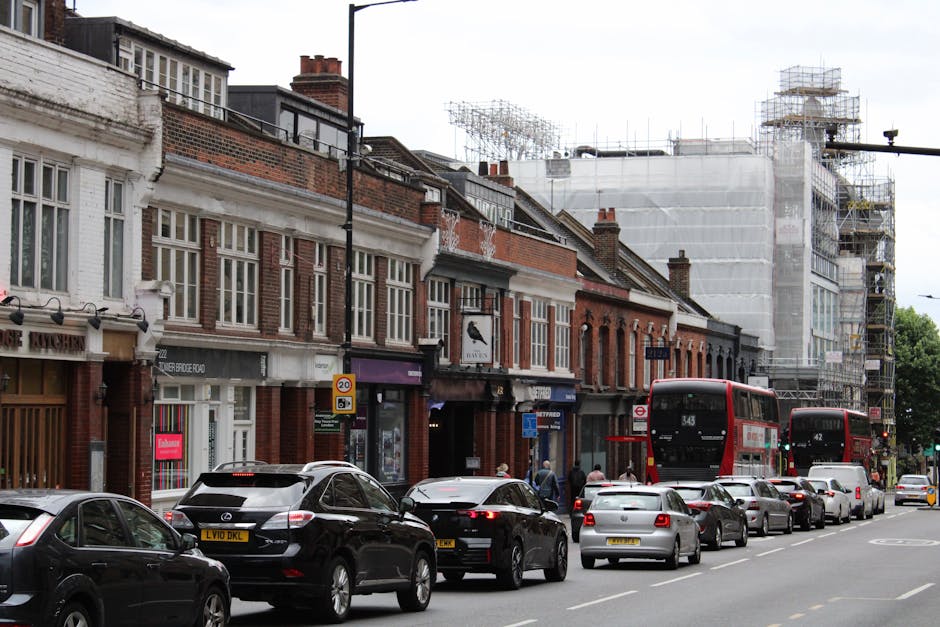
High streets are rarely designed with removal vans in mind. Hatch End High Street, like many busy local roads, can combine parked cars, foot traffic, tight kerbs, and limited space for manoeuvring. That means the actual loading and unloading process often matters just as much as the packing itself.
In a narrow street, every extra metre counts. A van that would be easy to park on a wider suburban road may need to stop further away here, which adds carrying distance, time, and physical effort. It also changes the risk profile. More carrying means more chances for scratched furniture, strained backs, and avoidable delays. Truth be told, these are the kinds of moves that reward a bit of forethought.
There's also a neighbour-friendly side to this. If your move blocks the pavement or leaves boxes sitting in the road for too long, it can create stress for everyone nearby. Planning properly helps keep the day respectful, efficient, and less chaotic. That's especially useful if you're working to a tight schedule, or if you've got a removal slot that needs to run like clockwork.
If your home contains larger items, it's worth reading practical moving advice before the day arrives, such as decluttering before you move, packing like a pro, and the broader guidance on keeping a move calm and organised.
How Moving from Hatch End High Street: narrow-street removal tips Works
At a practical level, a narrow-street move works by reducing friction before moving day begins. You're trying to answer a few simple questions early: where will the vehicle stop, how far will items need to be carried, what can be dismantled, and which objects are likely to cause trouble?
The best moves usually follow a pattern. First comes a proper survey of access. Then comes packing and item preparation. After that, you make decisions about vehicle size, timing, parking, and whether you need more than one person to manage the load safely. That order matters. If you start with the van, you often end up fitting your whole move around a guess. Better to work the other way round.
A narrow road move is not just about squeezing a van into a tight space. It's about creating a workable loading plan. For example, if a sofa has to come out of a first-floor flat and the van can only stop at the far end of the high street, you may need extra blankets, more labour, and a clear route from door to vehicle. Small things. But they add up fast.
For furniture-heavy homes, a focused service such as furniture removals in Hatch End can be especially useful, while a dedicated option like flat removals is often a better fit where stairs, shared entrances, or limited street access are part of the picture.
Key Benefits and Practical Advantages
Doing a narrow-street move properly brings a few clear benefits. Some are obvious, others only become obvious halfway through the move when you're grateful you planned ahead.
- Less carrying time: a realistic loading plan reduces repeated trips and fatigue.
- Lower damage risk: fewer awkward turns, fewer bumps, fewer chances to catch walls or door frames.
- Better timing: a tighter plan means fewer delays caused by blocked access or van repositioning.
- Less disruption: careful timing helps avoid frustrating neighbours and passing pedestrians.
- Safer handling: with the right method, you reduce strain on your back, shoulders, and hands.
There's also a financial angle. Inefficient access can increase labour time and complicate vehicle use. That does not mean narrow-street moves are always expensive, but they do benefit from being planned properly so the day runs efficiently. If you're comparing services, it can help to look through the company's services overview and get a feel for whether they handle local access challenges regularly.
One overlooked benefit is peace of mind. People often focus on the van itself and forget the emotional side of moving. But if you know the route, the parking plan, and the timing, the day feels far less like a gamble. And that matters more than folks admit.
Who This Is For and When It Makes Sense
This kind of planning is useful for almost anyone moving from or near Hatch End High Street, but it becomes especially important in a few situations.
- People moving from flats or maisonettes with shared entrances or stair access.
- Homeowners with larger furniture such as wardrobes, beds, dining sets, or heavy cabinets.
- Students and renters who want a simple, affordable local move without unnecessary complications.
- Families who need a predictable schedule around school runs or work commitments.
- Anyone moving at short notice and needing a quick, tidy setup, possibly through same-day removals in Hatch End.
It also makes sense if your move includes awkward items. A piano, for example, is not something you want to improvise with. The same goes for a bulky mattress, antique cabinet, or a freezer that needs to be prepared correctly before transport. If that sounds familiar, it may be worth checking specialist guidance like moving your bed and mattress or even piano removals in Hatch End for particularly delicate jobs.
If you're thinking, "Do I really need all this planning for a short local move?" the honest answer is: maybe not for every move, but for Hatch End High Street access, probably yes. Narrow roads have a way of punishing assumptions.
Step-by-Step Guidance
Here's a practical way to handle a narrow-street move without turning the day into a scramble.
1. Check access before the moving day
Walk the route from your front door to the street. Look at width, parked cars, lamp posts, low branches, bollards, and any pinch points. If your van cannot sit outside the property, estimate the carrying distance clearly. Even twenty extra metres can matter when you're moving several heavy items.
2. Decide what needs dismantling
Flat-pack items, bed frames, tables, and some wardrobes are much easier to move in pieces. If you wait until the morning of the move to make that decision, you're already behind. Dismantling a few pieces in advance can save real time. For heavier household items, a little preparation goes a long way.
3. Pack for speed, not just neatness
Good packing should make items easy to lift, label, and stack. Keep boxes a manageable weight. Use proper cushioning for breakables. And label rooms clearly so unloading doesn't become a guessing game. If you want more detail, the guide on packing and boxes in Hatch End is a helpful companion piece.
4. Choose the right van size
A bigger van is not always the answer. On a tight street, a vehicle that is easier to position can be more useful than one with a little extra cubic space. The right balance depends on how much you're moving, where the van can stop, and whether there's room to open doors safely. A good removal van in Hatch End should suit the access rather than fight it.
5. Reserve enough help
Narrow streets and staircases both increase the load on the team. Two people may cope with light boxes, but larger furniture often needs more hands for safety and control. If you're planning solo lifting, read heavy lifting tips for moving alone first. It's not bravado if it risks your back.
6. Time the load carefully
If possible, avoid the busiest local periods. School-run times, mid-morning delivery peaks, and late-afternoon traffic can all slow things down. An early start can be a lifesaver. There's something quietly satisfying about getting the first load in before the street fills up.
7. Protect walls, floors, and furniture
Use blankets, corner protectors, and straps. A narrow route means more turning and more contact risk. Protecting your home during the exit is just as important as protecting the contents. For sofas and other large items, see sofa storage and protection tips if you need to store anything before or after the move.
8. Load in a sequence that makes sense
Load heavy and sturdy items first, then stack lighter or more fragile boxes on top where appropriate. Keep essentials accessible if you need them immediately on arrival. It sounds basic, but people still end up burying kettle boxes under three layers of winter coats. Happens all the time.
Expert Tips for Better Results
These are the small details that often separate a decent move from a smooth one.
- Use a "staging zone" inside the property: keep everything near the exit in one organised space before loading starts.
- Take photos of awkward furniture before dismantling: that one picture of the bed frame fitting can save a lot of guesswork later.
- Label fragile items in plain language: "glass," "books," and "cables" is more useful than a vague sticker.
- Keep a tool bag separate: Allen keys, screwdrivers, tape, and scissors should not disappear into a box marked "misc."
- Wrap corners and handles: these are the places that get knocked most often in narrow hallways and tight doorways.
- Plan for weather: a wet London morning changes grip, visibility, and floor safety. A few extra mats or covers can really help.
Another useful point: don't underestimate how tiring repeated short carries can be. You may think, "It's only from the door to the van." But ten, fifteen, twenty trips later, the story changes. This is where experience counts. A team that handles local moves regularly will usually pace the job better, and that calm rhythm matters.
If you want a more complete picture of handling the whole move, the article on stress-free moving is worth a look alongside safe lifting basics.
Common Mistakes to Avoid
Narrow-street removals expose weak planning quickly. These are the mistakes that cause the most trouble.
- Assuming the van can park right outside: sometimes it can't, and that changes everything.
- Leaving packing too late: if boxes are still open on moving morning, the loading plan will suffer.
- Ignoring stair width or hallway turns: a sofa may clear the door but fail on the corner. Annoying, but common.
- Overpacking boxes: heavy boxes are harder to carry over distance and more likely to split.
- Not checking item dimensions: measure large furniture against doorways, lifts, and van access points.
- Trying to do too much alone: one person can only carry so much safely. Heroics are overrated.
- Forgetting disposal or storage plans: if something won't fit, sort out storage or recycling in advance.
There's a subtle mistake too: treating every move like a standard suburban driveway job. Hatch End High Street has its own rhythm, and the access conditions can make a small move feel bigger. Once you accept that, planning gets much easier.
Tools, Resources and Recommendations
You do not need a warehouse full of gear, but a few practical tools make narrow-street moving much easier.
| Tool or resource | What it helps with | Why it matters on a narrow street |
|---|---|---|
| Furniture blankets | Protecting surfaces | Reduces knocks during repeated carrying |
| Trolley or sack truck | Moving heavier boxes and appliances | Shortens carry fatigue over longer distances |
| Straps and ropes | Securing items in transit | Helps prevent shifting on tight, stop-start roads |
| Corner protectors | Shielding furniture edges | Useful in narrow hallways and door frames |
| Strong tape and labels | Organisation and sealing | Speeds up loading and unloading when time is tight |
| Storage option | Temporary holding of items | Useful if access, timing, or keys don't line up perfectly |
If your move is part of a bigger life shuffle, temporary storage can be a real pressure valve. The page on storage in Hatch End is worth considering if you need to bridge a gap between properties, or if access means a full direct unload isn't practical.
For people who want a hands-on service without hiring a large crew, man and van in Hatch End or man with a van in Hatch End can be a sensible fit for smaller jobs, especially where the route is tight and parking is limited.
Law, Compliance, Standards, or Best Practice
For a move like this, the key thing is to stay practical and respectful of local access, property rules, and road safety. You generally want to avoid blocking pavements, obstructing driveways, or leaving items where they create a hazard for pedestrians. If parking, loading, or waiting restrictions apply near the high street, it's sensible to check local arrangements in advance rather than assume.
Best practice in the removals industry is straightforward: plan the access route, protect property, lift safely, and keep the operation tidy. That might sound obvious, but it is exactly what gets overlooked when people are rushing. Reputable removal firms should also have sensible internal procedures around safety and handling. It's worth reviewing public information such as the company's health and safety policy and insurance and safety information before you book.
If you're comparing providers, look beyond the headline price. Ask how they manage tight access, whether they carry protective equipment, and how they handle delays or access changes. A clear set of terms and conditions and a transparent pricing and quotes process can tell you a lot about how organised they are.
And a small but useful note: if a mover seems vague about access questions, that's a sign to ask more. Better to sort it now than discover the problem on the kerb at 8:15 in the morning.
Options, Methods, and Comparison Table
There's more than one way to approach a narrow-street move. The right choice depends on how much you're moving, how much time you have, and how tricky the access really is.
| Approach | Best for | Advantages | Possible drawbacks |
|---|---|---|---|
| DIY van hire | Smaller moves with flexible timing | Lower upfront cost, full control | Parking, lifting, and route planning all fall on you |
| Man and van | Local household or flat moves | More help with loading and access | May still need careful scheduling if the street is busy |
| Full removals service | Larger or more complicated moves | More planning support, more manpower | Can cost more, though it may save time and stress |
| Split move with storage | When timing or access is awkward | Flexible and less pressured on the day | Requires an extra step and possibly extra handling |
For many Hatch End High Street moves, the "best" option is the one that fits the road, not the one that looks cheapest on paper. A smaller vehicle with the right help can outperform a larger van that struggles to park. That's the bit people miss.
Case Study or Real-World Example
Here's a realistic example. A couple moving out of a first-floor flat near Hatch End High Street had a sofa, a bed frame, several book boxes, a dining table, and a freezer. On paper, it looked like a straightforward local move. In practice, the street offered only limited stopping space, and a delivery van was already parked near the building entrance.
Instead of forcing the issue, they planned a short carry route from the closest workable bay, dismantled the bed the day before, and moved the freezer only after defrosting and cleaning it properly. They also grouped boxes by room and used clear labels. The move still took effort, of course, but the day stayed organised. No frantic reshuffling, no shouting across the pavement, no damaged table legs. Quietly successful. Which, let's face it, is what you want.
The biggest lesson from that kind of move is simple: the access plan matters as much as the packing list. Once the route is clear, everything else falls into place more easily.
Practical Checklist
Use this checklist the day before and again on moving morning. It keeps the small things from slipping through the cracks.
- Confirm the moving date, time, and arrival window.
- Check where the van can safely stop near Hatch End High Street.
- Measure large furniture and compare it with doorways and hallways.
- Dismantle beds, tables, and other awkward items in advance if possible.
- Pack boxes securely and keep them at a manageable weight.
- Label all boxes by room and note fragile contents clearly.
- Reserve parking or loading space where required or permitted.
- Protect floors, walls, corners, and furniture edges.
- Keep tools, chargers, keys, and documents in one easy-to-reach bag.
- Plan for storage if not everything can be delivered the same day.
- Have water, snacks, and a phone charger ready. Simple, but useful.
If your move also involves sorting, cleaning, or getting a property ready for handover, the guide on expert moving-out cleaning tips can help tie up the loose ends.
Conclusion
Moving from Hatch End High Street does not have to be stressful, even when the street is tight and the parking is awkward. The key is to plan for access, pack with the route in mind, choose the right vehicle and help, and build a bit of flexibility into the day. That combination makes a bigger difference than most people expect.
When you treat the move as a logistics problem rather than just a lifting job, everything becomes more manageable. And if you're still deciding how much help you need, looking at local service options, storage, and safety information can give you a much clearer picture before the first box is moved. Small decisions now can save a lot of faff later.
Get a free quote today and see how much you can save.
However you approach it, a careful move has a way of setting the tone for the next chapter. That first cup of tea in the new place tastes better when the day behind you went smoothly.