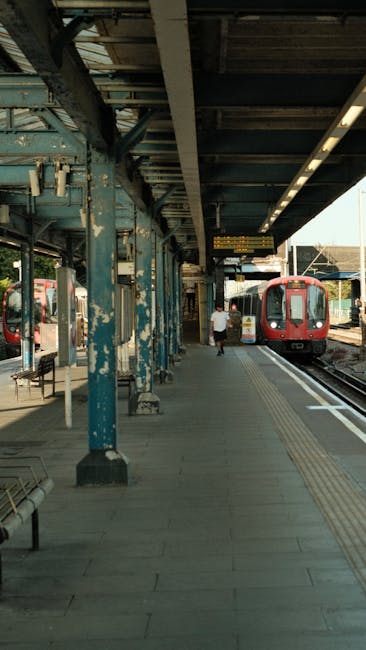
Small-flat moves near Hatch End station: space-saving tips
Posted on 06/05/2026
Small-flat moves near Hatch End station: space-saving tips that actually make a difference
Moving out of a small flat near Hatch End station can feel like a live puzzle. There's the hallway that's just a bit too narrow, the sofa that suddenly looks twice its normal size, and the pile of boxes that seems to multiply overnight. If you're trying to plan Small-flat moves near Hatch End station: space-saving tips, the real challenge is not just getting everything from A to B - it's doing it without clogging the whole flat, damaging your belongings, or making the day feel chaotic before it has even started.
The good news? Small moves can be brilliantly efficient when they're planned properly. With the right packing order, a sensible declutter, and a few local moving tactics, you can save space, save time, and save your sanity. This guide walks through the practical side of moving a compact home in Hatch End, including how to pack smarter, lift safely, and choose the right support if you need it.
We'll keep it grounded and useful. No fluff. Just the sort of advice that makes you think, "Right, that's manageable."
Why Small-flat moves near Hatch End station: space-saving tips Matters
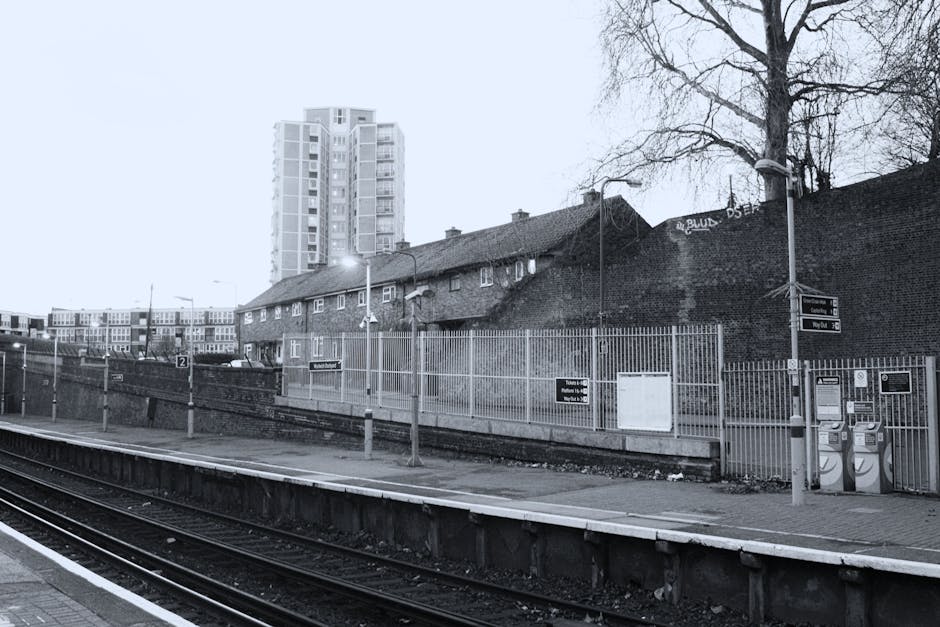
In a small flat, every square metre counts. That sounds obvious, but on moving day it becomes painfully clear. Boxes take up walking space. Furniture blocks the route to the door. And if you're moving near Hatch End station, timing can matter too - especially if you're trying to avoid tight windows, commuter traffic, or awkward parking pressure on surrounding streets.
Space-saving moving is not only about efficiency. It also reduces risk. Less clutter means fewer trips, fewer bumps, and less chance of scraping a wall or catching a box on a door frame. It also makes loading a removal van easier because items can be stacked more logically, with the heaviest and most awkward pieces positioned first.
For renters, there's another reason this matters: a tidier, more organised move-out tends to make final cleaning easier. If you've already sorted what's staying, what's going, and what's being stored, the end-of-tenancy stage is much calmer. That's where a practical guide like decluttering before you move can really help. Truth be told, a lot of moving stress starts with too much stuff still sitting around when the packing should already be done.
And near a station, small details count. You may be carrying boxes a shorter distance, but you're often dealing with more foot traffic, tighter loading space, and less room to pause and reorganise. So the best approach is to shrink the volume of what you move and make every item earn its place.
How Small-flat moves near Hatch End station: space-saving tips Works
The idea is simple: reduce, condense, protect, and load in a way that uses volume intelligently. Sounds tidy on paper. In real life, it means making a few smart decisions before the van arrives.
Start by separating your belongings into clear categories:
- Keep and move - the items you actually use and want in the new flat.
- Donate or sell - furniture, clothes, kitchenware, and duplicates that no longer earn their keep.
- Store - seasonal items, surplus furniture, or things you're not ready to commit to yet.
- Recycle or dispose - anything broken, unsafe, or no longer usable.
That sounds basic, but it's the backbone of a smooth small-flat move. If you don't know what is moving, you can't pack efficiently. And if you can't pack efficiently, your flat becomes a maze of half-filled boxes and random loose bits. Nobody needs that at 8:30 on a Saturday morning.
After sorting, you want to pack by shape as much as by room. Flat-packed boxes, vacuum bags, storage crates, and mattress bags all help reduce wasted air space. The less empty space inside your load, the fewer van journeys or stacking problems you'll face. That is especially useful if you're using a man and van in Hatch End or a smaller vehicle for a compact local move.
Finally, think about access. In smaller properties, the path matters almost as much as the packing. Clear the hallway first. Measure awkward turns. Remove table legs if needed. If your bed base or wardrobe won't pass cleanly through the stairwell, dismantle it before moving day. A little planning here saves a surprising amount of time.
Key Benefits and Practical Advantages
Space-saving moving is not just about neatness. It changes the whole tone of the move. Here's what you gain when you do it properly.
- Faster loading and unloading because items are packed in a more deliberate order.
- Lower risk of breakage since boxes are full, stable, and less likely to collapse.
- Less stress because you're not constantly improvising on the day.
- Better use of storage space if part of your move involves temporary storage in Hatch End.
- Cleaner exit from the old flat which helps with checks, handover, and final cleaning.
- Easier van loading since there's a more logical sequence for heavy, light, fragile, and awkward items.
For people moving from a studio or one-bedroom flat, the biggest benefit is often mental. Small spaces get overwhelmed quickly. Once you've packed the essentials and removed the clutter, the flat starts to feel like a space again rather than a staging post. That shift matters. It makes the final days before moving much more manageable.
If you have bulky furniture, it's worth considering whether it should travel with you at all. A sofa that barely fits in the current flat may be the wrong sofa for the new one. The same goes for oversized mattresses, old desks, and heavy wardrobes. If a piece is awkward to move and not truly useful, that's a signal worth listening to.
For some households, a service such as flat removals in Hatch End is the simplest way to keep everything organised without turning the hallway into a depot. Small spaces respond well to tidy logistics. They really do.
Who This Is For and When It Makes Sense
This approach suits more people than you might think. It is especially useful if you are:
- moving from a studio, one-bed, or compact two-bed flat
- living close to Hatch End station and needing a quick, local move
- working with limited parking or a narrow access route
- moving on a tight timescale, maybe between tenancies
- trying to reduce removal costs by moving less volume
- combining moving with temporary storage
- trying to keep fragile or valuable items protected in a small load
It also makes sense for students, first-time movers, and people downsizing after a longer tenancy. A smaller property can seem simpler, but in practice the lack of space makes every item more visible. There's nowhere to hide clutter. Not even a little bit.
If you are moving alone, the need for space-saving planning becomes even more obvious. For practical handling advice, solo heavy lifting tips are a useful read, because lifting the right way in a tight hallway is very different from moving a box in an open warehouse. Likewise, if you are a student with a compact room or shared flat, student removals in Hatch End can be a sensible match for small-load logistics.
If the move includes delicate or awkward items - a dining table with removable legs, a freezer, or a piano - then space-saving still matters, but handling matters more. In those cases, the plan has to protect the item first and the available floor space second.
Step-by-Step Guidance
Here is a practical, straightforward process you can follow. Nothing fancy. Just the steps that usually work.
- Measure the old flat and the new one.
Check door widths, hallway corners, stair landings, and lift access if relevant. Do this before you dismantle anything. A tape measure is a boring tool, but a brilliant one. - Sort every item into categories.
Keep, donate, recycle, store, or bin. Be honest. If you haven't used it in a year, ask why it's still there. - Decide what will be dismantled.
Flat-pack furniture, bed frames, shelves, and some wardrobes move more easily in pieces. Keep screws and fittings in labelled bags. - Pack room by room.
Use smaller rooms to create momentum. Kitchen bits, then bathroom, then bedroom. This avoids half-open boxes everywhere. - Use the right packing materials.
Sturdy boxes, bubble wrap, tape, wardrobe cartons, mattress covers, and reusable bags where suitable. For packing technique, see these pro packing tips. - Compress soft items.
Vacuum bags work well for bedding, off-season clothing, and spare duvets. Soft items can fill awkward gaps in the van too. - Load in a sensible sequence.
Heavy items first, fragile items last, soft items used as fillers where safe. Keep essentials accessible so you are not digging for a kettle at the end of the day. - Keep a quick-access essentials box.
Keys, charger, toilet roll, tea bags, medication, and a few basic tools. A tiny box, but a mighty one.
If you are moving a bed, take a careful approach. Mattresses are bulky, and bed frames are often awkward even when they look simple. This is where bed and mattress moving strategies can save you from one of the most annoying moving-day bottlenecks. Likewise, if your furniture needs careful handling, furniture removals in Hatch End may be the easiest route.
Expert Tips for Better Results
A few small choices often make the biggest difference. These are the tips that tend to separate a smooth small move from a slightly messy one.
1) Pack by weight, not just by room.
Books, pans, tools, and documents can make boxes much heavier than they look. Mix lighter items in so you do not end up with a box that feels like it contains a brick.
2) Use your soft items as space-fillers.
Socks, tea towels, scarves, and bedding can protect fragile items if packed sensibly. They're soft, clean, and already need moving. Handy, really.
3) Protect corners and edges.
In small flats, furniture is often moved through tight turns, which means chips and scuffs tend to happen at the edges. Cardboard corner protectors or thick wrapping can save a lot of regret.
4) Photograph cable setups before unplugging.
It sounds minor, but you will thank yourself later. TVs, routers, printers, and small appliances can become a tangle if you do not document them.
5) Keep one surface clear until the end.
A kitchen table, worktop, or bed can become the final packing station. Don't fill every surface at once. Leave yourself a calm corner.
6) Be ruthless with duplicates.
Two spare toasters? Three old mugs sets? You know the story. Reducing duplicate items is one of the easiest ways to save space before a move.
7) Think about the new flat, not just the old one.
Do your storage habits fit the next place? If the new flat has fewer cupboards, bulky containers may be a mistake. If storage is tight, plan for slimline solutions right now rather than later.
And if you suspect a complicated item will need more than a DIY approach, listen to that instinct. Moving a piano, for example, is best handled by specialists - here's why piano moving is not a DIY job. Same idea for very heavy or fragile loads: the safest move is usually the simplest professional one.
Common Mistakes to Avoid
Most small-flat moving headaches are preventable. The trouble is, they're easy to miss until the van is on the street and the kettle is already packed.
- Overpacking boxes so they split, sag, or become impossible to lift.
- Leaving decluttering too late and then paying to move things you never wanted.
- Forgetting access constraints such as narrow staircases, shared entrances, or parking restrictions.
- Not labelling by priority so essentials disappear into the back of the load.
- Moving large furniture without measuring and discovering it will not fit through the door. Bit of a nightmare, that.
- Using too many box sizes which makes stacking awkward and wastes space in the van.
- Ignoring fragile item placement and allowing breakables to shift during transit.
There's also a common emotional mistake: assuming that because the flat is small, the move must be simple. Often the opposite is true. Less room means less margin for error. A single oversized box can block a corridor; one awkward wardrobe can slow the whole process down. So be patient with the preparation stage. It pays off.
If you are moving out and want the property left in decent order, it can also help to review moving-out cleaning tips before the final day. Small flats can look messy very quickly, but they can also be cleaned very quickly if you stay organised.
Tools, Resources and Recommendations
You do not need a mountain of equipment. In fact, having too much gear often creates more clutter. The trick is to choose practical tools that support the move without taking over the flat.
- Strong double-walled boxes for books, kitchen items, and mixed household goods
- Wardrobe boxes for hanging clothes, especially if you want to avoid ironing later
- Vacuum storage bags for bedding and soft furnishings
- Mattress covers to protect against dirt and scuffs in tight hallways
- Bubble wrap and paper wrap for fragile items
- Marker pens and labels for room names, priority levels, and "fragile" notes
- Blankets and straps for keeping items stable in the van
- Basic toolkit for dismantling and reassembly
- Trolley or sack barrow if access allows and the load is suitable
Useful resources can make a surprisingly big difference too. If you need supplies, packing and boxes in Hatch End is the obvious place to start. If your move is very last-minute or involves just a small number of items, a same-day removal service in Hatch End may be worth considering, especially when timing is tight.
For heavier, awkward, or higher-risk items, do not guess your way through it. The page on kinetic lifting fundamentals is useful for understanding how body mechanics and movement flow can protect you. The short version: lift with control, keep loads close, and do not twist under pressure. Sounds simple because it should be.
Law, Compliance, Standards, or Best Practice
For a small flat move in the UK, there is not usually a long checklist of formal legal requirements from the moving side itself. But there are still important best practices to follow, especially around safety, parking, and property care.
Here are the main points to keep in mind:
- Check parking arrangements early. If a van may need to stop near Hatch End station or on a nearby residential road, plan for permission, timing, and access. Local restrictions can vary, so it's worth checking rather than assuming.
- Protect communal areas. In flats, stairwells, lifts, and shared halls should be used respectfully. That usually means moving carefully, avoiding damage, and keeping routes clear.
- Follow basic manual-handling safety. UK best practice is to avoid unnecessary strain, use proper lifting technique, and get help for awkward items. If an object is too heavy, too large, or hard to grip, treat that as a warning sign.
- Know your building rules. Some leaseholds or managed buildings have move-in and move-out rules, lift booking requirements, or quiet-hour expectations.
- Choose insured support where needed. Reputable movers will explain how they handle care, liability, and transit protection. If you want reassurance, read the company's insurance and safety information before booking.
It is also sensible to review service terms and payment details before confirming anything. That keeps expectations clear. The pages on payment and security and terms and conditions are useful for understanding how a service works before move day arrives.
If you need a fuller overview of service standards and options, take a look at the full removals services overview. It gives a clearer picture of what is available for small and larger moves alike.
Options, Methods, or Comparison Table
Different moving methods suit different small flats. There's no one perfect setup. The best choice depends on volume, access, budget, and how much heavy lifting you want to do yourself.
| Method | Best for | Space-saving strength | Things to watch |
|---|---|---|---|
| DIY with a personal car | Very small loads, a few bags, and lightweight boxes | Limited - good only if you have very little to move | More trips, more fatigue, and awkward stacking |
| Man and van | Studio and one-bed moves with moderate furniture | Strong - flexible loading and fewer trips | Need to plan access and loading order carefully |
| Flat removals service | Compact homes with furniture, appliances, or tighter timeframes | Very strong - ideal for structured packing and transport | Usually more planning, but often less stress |
| Storage plus move | Downsizers, renovators, or people between properties | Excellent for reducing immediate load | Needs clear labelling and a retrieval plan |
If you are only moving a handful of items, a simple van hire or man-and-van setup may be enough. If the flat is cluttered, the access is awkward, or the furniture needs dismantling, a more complete removal service in Hatch End can end up being the better value. Oddly enough, the "smaller" move is sometimes the one that benefits most from professional handling.
For people who need to keep items out of the way temporarily, storage in Hatch End can help take pressure off the flat itself. That can be especially useful if you are waiting on key dates or not quite ready to place everything in the new home at once.
Case Study or Real-World Example
Here's a typical local scenario. A tenant in a one-bedroom flat near Hatch End station had to move out on the same weekend the lease ended. The flat wasn't large, but it had the usual suspects: a bed frame, mattress, small sofa, desk, kitchen boxes, and more loose bits than expected. The hallway was narrow, and there was no interest in doing five trips up and down with a hatchback.
The turning point came when the move was broken into three phases.
- Phase 1: declutter and donate duplicates, old clothes, and unused kitchenware
- Phase 2: dismantle the bed and pack soft items into vacuum bags
- Phase 3: load heavy pieces first, then boxes by room, then fragile items last
The move became manageable because the flat stopped feeling full of "stuff" and started feeling like a series of planned tasks. The sofa was wrapped properly, the mattress was protected, and the boxes could be stacked cleanly in the van. No drama. Well, not much.
The biggest lesson from this kind of move is that the physical space in the flat matters less than the mental structure of the move. Once there is a system, a compact home can be moved very efficiently. And if part of the load includes a bulky sofa or delicate furniture, it helps to use advice from sofa storage and protection tips before wrapping and loading anything valuable.
Practical Checklist
Use this as a quick pre-move check. It is simple, but that is the point.
- Measure doorways, stair turns, and any lift access
- Sort belongings into keep, donate, store, recycle, and bin
- Choose box sizes that stack well
- Label each box by room and priority
- Pack one essentials box for the first night
- Dismantle large furniture where needed
- Protect mattresses, corners, and fragile items
- Reserve parking or confirm loading access if required
- Keep cables, screws, and fittings in clearly marked bags
- Plan for disposal or storage before moving day, not after
- Check insurance, safety, and service terms if using professionals
- Leave the old flat clear enough for cleaning and final checks
Expert summary: the most effective space-saving move is rarely the one with the most boxes. It's the one with the best sorting, the fewest duplicates, and the cleanest loading plan. Keep that in mind and half the job gets easier straight away.
Conclusion
Small flat moves near Hatch End station are much easier when you treat space as the main resource. Every box, every item, and every route to the door should serve a purpose. That is the heart of good space-saving moving: not squeezing more into less, but removing what you do not need and arranging the rest in a calm, sensible order.
Do the decluttering early. Pack with the van in mind. Measure awkward items. Keep essentials close. And if something feels too bulky, too fragile, or too stressful to handle on your own, bring in the right help. That is not overcautious - it is just practical.
Small moves can be some of the best moves. They are quicker, lighter, and often surprisingly satisfying when done well. A bit of structure goes a long way, and honestly, so does a cup of tea at the end.
Get a free quote today and see how much you can save.